
Discover the best dog-friendly restaurants, parks, and patios in Las Vegas. Updated for 2026 with local pro-tips for you and your pup. Read the full guide!

Do you ever look at your dog and think: Where do you get all of this energy from? It’s a joy to have a furry friend who wants to spend time with you and play together, but sometimes it can get overwhelming, especially if you have a very high-energy breed. Taking your dog on walks or to the park, or playing with them for short periods, is great for their well-being, but they might be lacking the mental stimulation that helps their brains develop. By providing your pooch with regular emotional and mental stimulation, you are gifting them a priceless bonding experience, and you might tire them out more than just a visit to the park or a walk can do! How To Curb Boredom and Enrich Your Pup’s Life What is the saying: Idle hands are the Devil’s playthings? Well, idle, bored dogs can be devilish: chewing, wrecking, ruining, and generally causing havoc within your home. They don’t demonstrate these behaviors to be naughty: they need an outlet for their energy and are probably lacking stimulation. There are a variety of activities and engagements you can offer your bored or under-stimulated dog; it’s just a matter of finding out what interests them and teaching them to partake! Games, puzzles, general training, and taking them to new places are all ways to expand their world and invigorate them, tiring them out thoroughly while helping them grow. Giving Your Pup a Puzzle Puzzles are a great way to stimulate your dog, and they are easy for you, too, because you can use them when life doesn’t leave time for walks, play sessions, or other activities that require your attention, too. You can find a variety of pet-friendly puzzles online, but local shops like Healthy Tails LV, Dog Supplies Outlet (all locations around the city), Bogart’s Bone-Appetit, and The Wagging Tail all stock a variety of puzzles and snuffle mats, too! These are made to encourage dogs to use their problem-solving skills to retrieve treats or food. The style of these puzzles varies: some feature latched tops that need to be nosed or pawed open, while others are rugs with fabric ties or mounds called Snuffle mats that require dogs to ruffle around in them to get their snacks. Both of these offer endless enrichment and are fun for your pet while stimulating their minds! Some dogs might take to one puzzle over the others on the market, and it could require a trial-and-error test on your end to find one they love, so don’t get discouraged if they don’t love one immediately! Training Your Dog Whenever you work with your dog on new tricks, habits, or general behavioral training, the actions and commands stimulate their minds. Learning is good for your pup, and it also tires them out faster than a variety of physical activities they can partake in, because they are concentrating and working their brains. Training can help you bond with your pet, and they enjoy figuring out how to do things you want from them. Classes, like our Foundation for Obedience , can teach basic commands and manners, and you should also invest between 5 and 30 minutes a day in training your pup. Use praise and treats when teaching your dog new tricks and behaviors, and watch for signs of exhaustion or overstimulation. You can always come back to a new trick, and they will love engaging with you in a new way! Take Your Dog On A Different Adventure Did you know that taking your pup on a different route than your usual walks can stimulate them? A dog’s sense of smell is their strongest sense, and some scientists have estimated that its olfactory sensors are 100,000 times more sensitive and strong than ours. When you take them on new paths, to new parks, or just on a “scent walk” where they can sniff to their heart’s content, you’re giving them stimulation that is equal to an hour of exercise! These walks only need to be twenty minutes, and your pup will come home happy and exhausted (in a good way)! Explore the city by trying parks like Sunset Park in Henderson, which has long walking paths that traverse the whole park, or as the weather cools down, head to Red Rock National Conservation Area. You can use the free trails outside the park, or head into Red Rock to explore the various dog-friendly areas! Mount Charleston is always a good option, with cooler temperatures, lots of pet-friendly hikes, and new scents galore! By training your dog to walk on a leash properly using our classes and practicing around the city, you’ll make outings more enjoyable for all! These are just a few ways you can help your furry friend learn, grow, and bond with you at the same time. Stimulation is key to a happy pup, so why not try these ideas or research more of your own to add to your list?
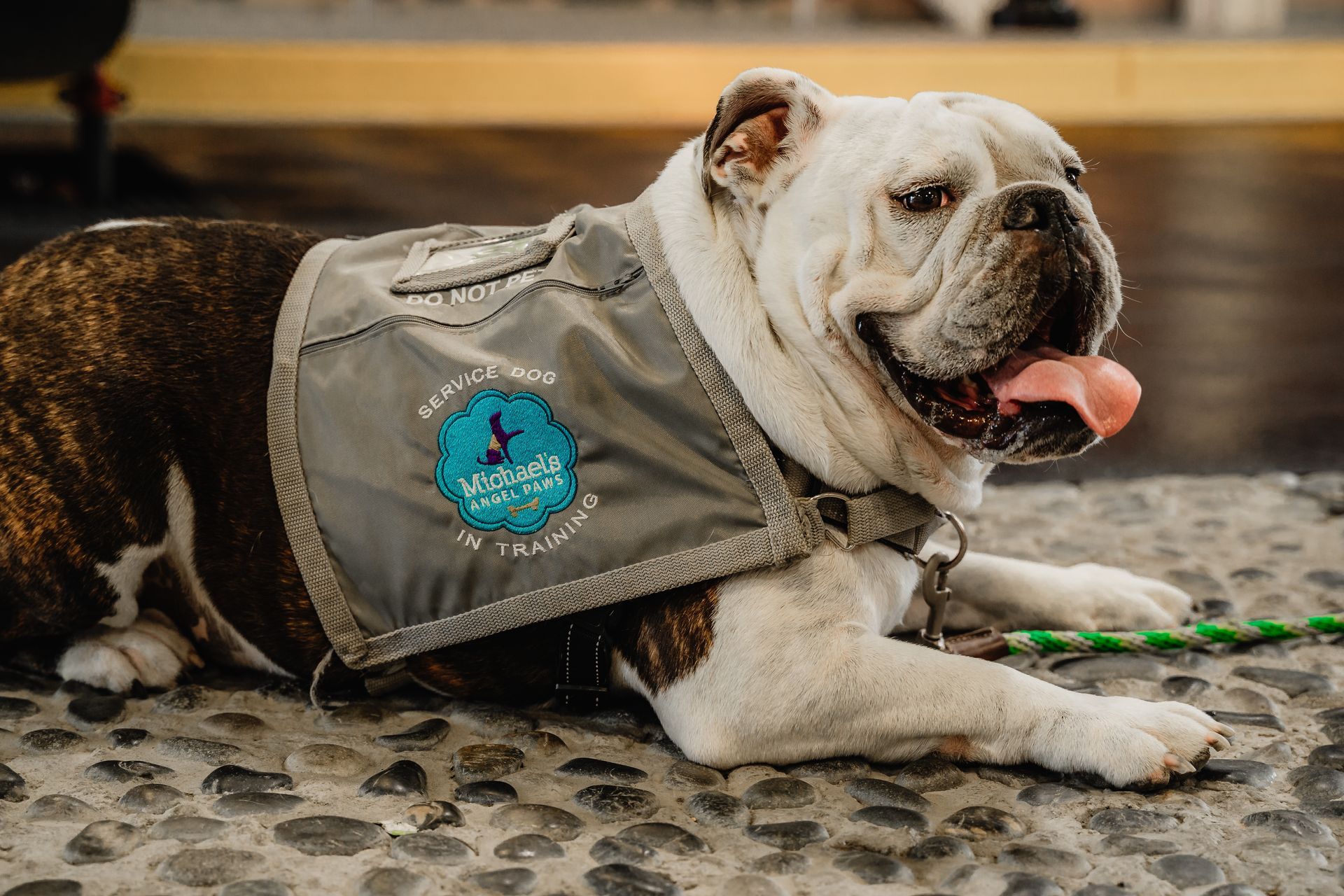
With World Health Day coming and going in October, it’s important to remember that taking care of your mental health is a daily task: not just dedicated to one day a year. It can be hard in a world filled with technology, overstimulation, unfettered access to news (both good and bad), and then the stress of jobs, bills, and life in general when everything gets a little too heavy. While meditation, exercise, healthy diet, and taking time for yourself are all great ways to maintain and help your mental health, it’s important to know that dogs that can really level off stress, anxiety, boost serotonin and dopamine, and even lower blood pressure! To be more precise: Therapy Dogs are trained to help with all of these beneficial points and more!
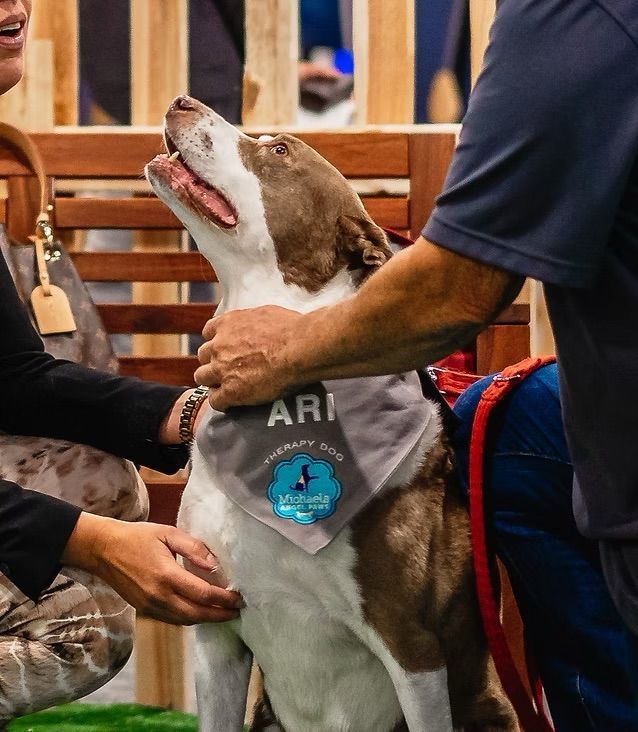
If you’ve been considering enrolling your dog in Therapy Dog classes, it’s always good to know what to expect and what a Therapy Dog actually does. Therapy dogs are trained to provide cuddles, comfort, bring joy, and generally make those around them feel at ease and happy. These dogs can be present at large corporate events and fundraisers, as well as at smaller events where even just one dog provides their sweet disposition. While these trained pups can do a lot for their beloved family and those around them simply by being there, there are some key elements that set Therapy Dogs, Emotional Support, and, most especially, Service Dogs apart. WHAT TO EXPECT FROM THERAPY DOG TRAINING During Michael’s Angel Paws Therapy Dog training, you and your dog will work on a number of habits and manners that will allow them to function in public spaces around crowds, loud noises, and lots of people petting them. In order to be a Therapy Dog, your pup needs to be able to handle large amounts of attention and distractions without becoming overwhelmed, scared, aggressive, or anything other than calm. During both Michael’s Angel Paws Foundation for Obedience and Advanced Obedience classes, your dog will learn basic commands that you can then continue to work on and help them excel at. Sits and downs become long stays and even off-leash walking skills. After your pup has graduated from these classes, they can take our AKC Canine Good Citizen class. This prepares them for the AKC Canine Good Citizen 10-point test for dogs who want to work in a higher calling (outside the home) to determine if they have the training and disposition for Therapy training. If your dog passes, they could be on their way to Therapy Dog classes, should that be something you want to pursue. THERAPY DOGS ARE VOLUNTEERS Therapy dogs, unlike Service Dogs, are not trained to perform medical tasks or services. Therapy Dogs have many healing qualities, such as reducing anxiety and lowering blood pressure (just to name a few), but they are volunteers who bring their skills of comfort to places like hospitals, schools, nursing homes, and even large events like conferences. The dog-handler is responsible for checking if any of these locations where a Therapy Dog may volunteer require background checks, as they aren’t granted the same access as Service Dogs. It’s best to always check whether a Therapy Dog is welcome at an event and research the necessary steps to register them. HOW TO START YOUR DOG IN THERAPY DOG CLASSES AND EVENTS To become a Therapy Dog, Michael’s Angel Paws recommends setting up a meet and greet. This allows the canine coach and team to determine if a dog has the right temperament for the job. Not all dogs can be Therapy Dogs, so this step helps determine whether they will succeed and what training is required to get there. They will then learn extra manners and habits beyond foundational and advanced commands so they can function easily and calmly in a variety of scenarios and engagements! If you’re interested in working with your dog to become a Therapy Dog Team through Michael’s Angel Paws, reach out to us for more information and to make a plan to give your pup the best chance at success!
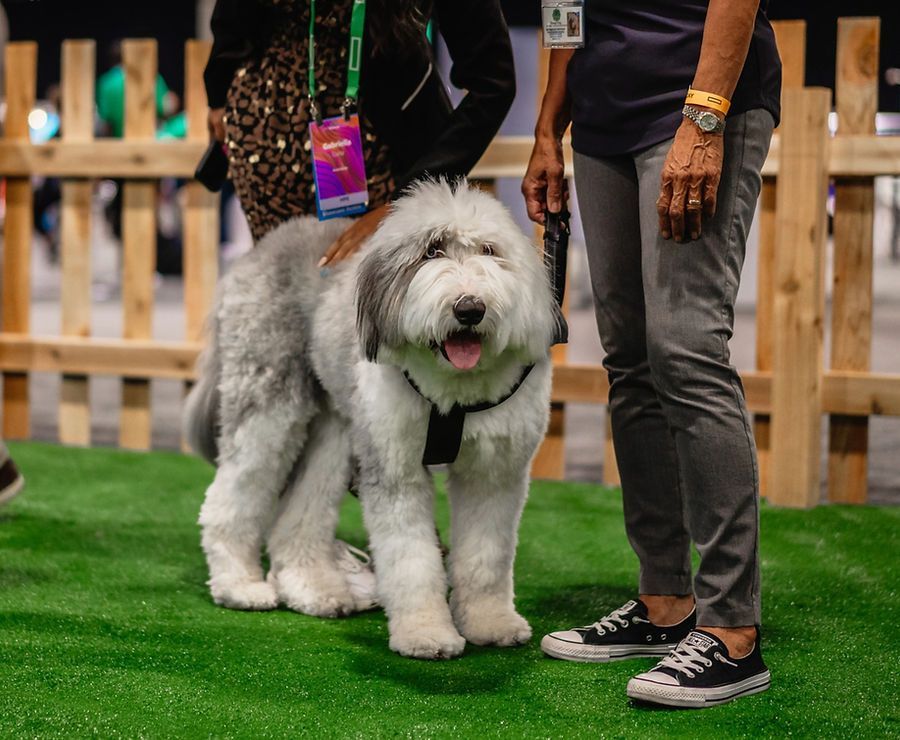
No one likes to think about the frightening consequences of a home fire, but equipping your house with fire alarms, smoke detectors, and carbon monoxide alarms is an excellent first line of defense. However, there is more to protecting your home, and more importantly, your loved ones (pets and all) from disaster. Taking every precaution you can will ensure everyone’s safety, and because your pets often stay home without you, this could put your mind at ease while you’re away. Have A Plan In Place According to the American Red Cross, there are several ways to protect and prepare your pets if a fire breaks out in or around your home. The first step is to have a plan to get everyone, including your pet, to safety. Have an evacuation route in place, keep in mind where your pup sleeps, and have friends or family your pet can stay with if you need to leave. Focus on improving your furry friend's recall and listening skills so they respond promptly when needed. This will help ensure everyone's safety. Protect Your Pet From Open Flames & Kitchen Hazards Whenever you cook or leave the house, check that your stove is off. If your pet likes to jump and is generally curious, covering your stove-top knobs can help prevent them from turning on or knocking them by mistake. If you prefer, you can limit their access to the kitchen while you’re away with a gate, too. Almost everyone has been around an excitable animal, but sometimes tails or paws can turn excitement into chaos. If you have a dog (or cat) that likes to run and play and knocks items over in the process, it may be worth investing in faux candles (battery-operated or rechargeable) to reduce the risk of a fire. These look just as nice as regular candles, but fur is safer around them, and if they do get overturned, you don’t have a possible fire hazard on your hands. Turn Off Appliances And Keep Your Pet Safe With Alert Cards A common practice that shouldn’t happen is leaving a dryer on when you’re not home. Turning it off reduces the risk of a fire, as these machines can cause hazardous situations if left unattended. Too much lint can block your pipes, the trap, or the vent. When you go out, try to keep pets near entrances so firefighters can reach them in an emergency. Another great tip is to place Pet Alert cards in your windows to inform responders how many pets are inside. These cards are essential if you're not home, ensuring all your furry friends can be rescued. You can find Pet Alert cards on Amazon or Chewy, providing peace of mind while you're at work or away from home.
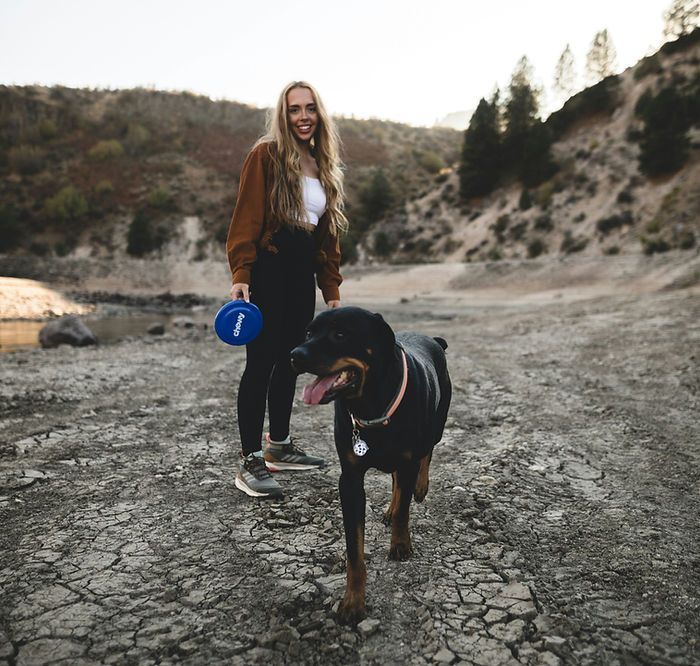
Every year, it’s easy to forget just how hot it gets in Las Vegas, and every year the temperatures rise, we’re back to 100+ degree weather, making us wish for those fall numbers. As humans, we simply throw on cooler clothes and crank the air conditioning to regulate our systems, but our pets don’t have that same luxury. While their coats are meant to help them regulate, they can also get much warmer than we do much more quickly. What feels like a pleasant 77-degree day to us could cause them to suffer from heatstroke. So when it comes to going on walks, it’s important to stop and consider how hot the ground is on their paws. Hot Surfaces No matter what the temperature reads on your phone, asphalt and concrete are about 20-30 degrees warmer than that, and they absorb heat throughout the day. As your pet walks on these surfaces, they can burn their paws and injure the pads. It’s easy to forget that these tough-toe beans are still skin, especially after they’ve blackened and calloused over, but their paws are still incredibly sensitive. Left too long on hot pavement, they can incur serious injuries and burns that could even result in a vet visit. Puppy Paws If you have a puppy or a young dog, it’s even more important to avoid taking them outside without booties or socks, preferably something that has a solid barrier between their pads and the ground. However, while baby paws haven’t quite hardened as much as adult paws, you should still use protection on older pets, too. The best rule of thumb is to place your hand on the ground when you go outside and determine if it’s too hot by counting seven to ten seconds. If you can’t keep your hand on the pavement for that long, it’s too hot for your pup’s paws, too. Tips for Walking Mornings and evenings are certainly cooler in Las Vegas, but the ground can still retain heat, so check at any time of day. You can find dog booties at Brick and Mortar stores like PetSmart and Petco, or local dog supply shops around town. You can also order some from Amazon, just make sure to measure your dog’s paws to get the correct size. Sometimes telling your pup “no” is harder than avoiding that late-night snack, so if they do bound outside or happen to burn their paw pads, help them heal by trying to keep them off their feet as much as possible for a few days. Apply paw ointment to help the process, and if they don’t seem better after a couple of days, take them to your vet.
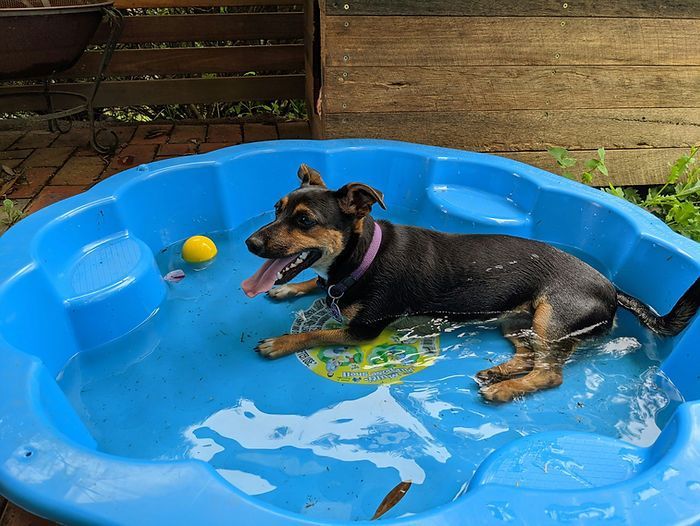
Keeping your dog busy in a city like Las Vegas over the summer can be tricky. The weather gets so unbearably hot that even leaving the house throughout the day becomes a chore. While lying low in the air conditioning might not bother you, dogs can get bored and restless, but try explaining to them why they can’t go to the park or on a walk. You will likely have better luck joining the next space expedition, so instead, why not have some backup activities to keep your pet busy when it’s too hot to go outside or when you can't follow your pet's normal routines? Buy Them A Splash Pool If you have space in your yard, front yard, or even at a friend’s or family member's, purchasing a kiddie pool for your dog can be a great way to keep them cool and give them a way to burn some energy. Fill the pool with cool water, even adding ice cubes if you want, so they can “bob” in it or just keep the temperature down. Let your furry friend(s) romp around for as long as they want, bringing in toys or joining them to encourage play. Keep towels handy so that once they’ve had enough, you don’t have wet floors to clean up. Make sure to dump out the water after your pup has played: it can get hot if left out, and pets might want to jump back in the next time they are outside. Check Out Pet-Friendly Shops And Cafes Las Vegas seems to be becoming more dog-friendly, with stores and restaurants offering a “bring your furry friend” policy throughout the valley. Places like Lazy Dog are a no-brainer for owners, but if you’re looking to expand your horizon, you can also try X Cafe or Better Days, both of which allow well-behaved furry friends. Gold Mine Tavern advertises its shaded patio, which might be too warm in the middle of the day, but could be nice when temperatures aren’t as high. Stores vary in their pet policies, so it’s always worth calling. Most pet stores and pet supply stores allow most animals in, and it gives them a sensory experience to wander around in the air conditioning and smell everything. Dog Parks The theme here is avoiding the heat, so obviously, dog parks fall under the “early morning” or “late evening” time slots, but they are still an option if you want to get your pup out of the house and let them run, play, or simply be outside. Desert Breeze, Sunset Park, and many others around town offer trails, grass patches, and even some shade, so you and your pet pals can get some fresh air. Bring along plenty of water and, if needed, a cooling towel to help dogs regulate their body temperature after playing. Take A Day Trip Las Vegas is so close to a variety of recreational areas, including Mt. Charleston. During the summer months, people flock here to escape the heat and enjoy the hikes and cooler temperatures. There are more than 60 miles of trails that are well-maintained by the park, meaning they are great for you and your dog(s) to explore together! Bring a picnic and some treats so you can take a well-deserved break after a hike, and of course, don’t forget the water. During May - September, the mountain tends to be very busy, and parking can be scarce as the day wears on. To avoid longer walks to the actual trails, it might be worth going earlier, and this isn’t a bad thing for your pets, either, as it can still get warm by their standards up there.
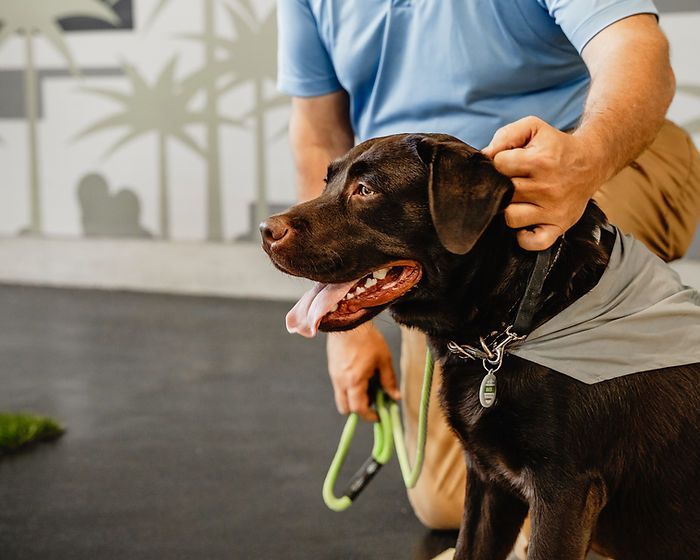
If you are searching for dog training classes in Las Vegas, you are likely trying to solve a specific problem. Maybe your puppy is not listening. Maybe leash walks are stressful. Maybe you want a well-mannered dog you can confidently take anywhere. Training is not simply about teaching commands. It builds communication, emotional stability, and reliability in real-world environments. The right program creates structure. The wrong one creates frustration. Michael’s Angel Paws has been serving Las Vegas families with structured obedience programs, therapy dog preparation, agility training, and advanced skill development. Understanding your options helps you make a confident decision. Can You Train Your Dog Yourself? Many owners attempt to train their dog at home. Basic cues like sit and down can often be introduced without professional help. However, effective training depends on timing, consistency, and understanding how dogs learn. Reinforcement must happen immediately. Body language signals must be recognized early. Small behavioral mistakes can unintentionally be rewarded if the handler lacks experience. For mild obedience goals, motivated owners may see progress. For more complex issues such as leash pulling, reactivity, anxiety, or impulse control, structured guidance significantly improves outcomes. Professional trainers are trained to read subtle stress signals, adjust reinforcement techniques, and tailor instruction to individual temperament. That expertise shortens the learning curve and protects the relationship between owner and dog. Why Group Dog Training Classes in Las Vegas Work Group classes provide something home training cannot replicate: controlled distraction. Dogs learn to respond to unfamiliar dogs, movement, noise, and people. This is essential for real-world reliability. At Michael’s Angel Paws, programs are led by experienced trainers including Matt, Fabiola, Jane, and Angela. Client feedback consistently highlights measurable improvements in confidence and obedience. One Advanced Obedience client noted that their puppy developed significantly greater control and responsiveness to handler cues during the program. Another described the Foundation and Advanced classes as structured, professional, and highly supportive fileciteturn0file0. This consistency across multiple trainers reinforces organizational standards rather than individual variability. Group environments also provide accountability. Weekly sessions ensure that owners practice correctly, receive real-time feedback, and leave with a clear progression plan. Foundation Obedience Training in Las Vegas For puppies or newly adopted dogs, structured basics are essential. The Foundation Obedience Dog Training Program in Las Vegas establishes core communication skills, including sit, down, stay, loose leash walking, and impulse control. This stage builds clarity between the owner and the dog. Without it, achieving advanced reliability is difficult. Many shelter dogs and young puppies begin here before progressing further. Reviews frequently mention increased confidence and improved behavior within just a few weeks. Advanced Obedience Classes for Reliable Control Dogs who already understand basic cues benefit from higher-level training. The Advanced Obedience Classes in Las Vegas focus on strengthening duration, distance, distraction proofing, and recall reliability. At this level, the goal shifts from learning commands to mastering them under pressure. Owners report noticeable gains in control and responsiveness after completing advanced coursework. Advanced training is often the bridge between general obedience and public access level behavior. Therapy Dog and Specialty Training Programs For owners seeking enrichment or community involvement, specialty programs offer meaningful opportunities for growth. The Therapy Dog Training Program in Las Vegas prepares qualified dogs for certification and structured community engagement. Clients have highlighted flexible scheduling and knowledgeable instructors when pursuing therapy pathways. Additional specialty options include Rally and Agility training, which strengthen obedience while increasing mental stimulation and handler engagement. These programs are especially beneficial for high-energy breeds that require structured outlets. How Long Does Dog Training Take? Training timelines vary. Breed tendencies, prior experiences, emotional stability, and owner consistency all influence progress. A common structure for basic obedience is one hour per week over five weeks. This introduces foundational behaviors. Long-term reliability requires ongoing reinforcement at home. Owners who practice daily and maintain consistent expectations typically see faster and more durable results. How to Choose a Dog Trainer in Las Vegas Not all training philosophies are equal. The method matters. Michael’s Angel Paws follows positive reinforcement principles and adheres to LIMA standards, meaning Least Invasive Minimally Aversive techniques. The focus is on rewarding desired behavior rather than relying on punitive correction. When evaluating any dog trainer in Las Vegas, ask about certifications, continuing education, and real-world experience beyond entry-level obedience. Review documented results and client feedback for consistency across instructors. Reviews for Michael’s Angel Paws repeatedly mention professionalism, reliability, and clear behavioral improvement, reinforcing trust and credibility within the Las Vegas community.
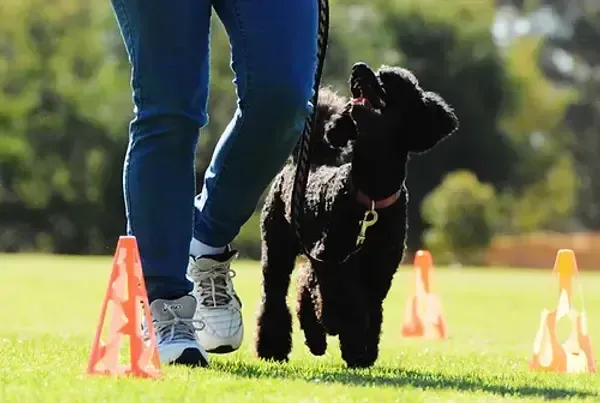
Michael’s Angel Paws now offers Rally dog training classes for the Las Vegas and Henderson community. Rally is more than an obedience activity. It is structured teamwork between handler and dog, built on communication, precision, and confidence. If you are searching for Rally dog training in Las Vegas, understanding how positive reinforcement drives performance is essential. The method matters as much as the course itself. What Rally Dog Training Actually Is Rally is neither traditional obedience nor unstructured play. It is a guided course made up of stations. Each station displays a sign that instructs the handler to perform a specific behavior with their dog. These may include directional changes, sits, downs, stays, pivots, or more advanced maneuvers. The handler reads the sign, gives the cue, and works through the station as a team. Unlike formal obedience trials, where communication is minimal, Rally encourages interaction. Handlers may speak to and encourage their dogs throughout the course. This creates a collaborative dynamic rather than a rigid performance environment. At Michael’s Angel Paws, the Rally Dog Training Classes in Las Vegas build progressively from foundational skills into more advanced sequences, ensuring dogs understand each component before complexity increases. Why Positive Reinforcement Drives Rally Success Rally relies heavily on motivation. Dogs must remain engaged throughout the course and respond accurately to cues. Positive reinforcement means rewarding desired behaviors with treats, praise, or play. This creates a clear association between performance and reward. Instead of complying out of avoidance, dogs participate willingly. At Michael’s Angel Paws, Rally training follows positive reinforcement principles and LIMA standards, meaning Least Invasive Minimally Aversive techniques. The focus is on clarity, consistency, and encouragement. This approach produces several measurable benefits: Increased focus under distraction Faster response times Stronger handler engagement Reduced stress behaviors Because Rally sequences build one skill on top of another, motivation becomes the engine that sustains progress. How Rally Strengthens the Handler Dog Bond Rally requires the dog to watch the handler closely. Directional shifts, pace changes, and position adjustments demand attention and trust. Each completed station reinforces teamwork. The dog learns that guidance from the handler leads to reward and clarity. The handler learns how subtle timing adjustments influence performance. This consistent feedback loop strengthens communication. Many dogs who complete Foundation Obedience Dog Training in Las Vegas transition into Rally to deepen reliability and engagement. The foundational skills make the advanced sequences smoother and more precise. Behavior Transformation Through Structured Progression Rally is not just a sport. It is a behavior shaping system. The progressive structure addresses common challenges such as: Inconsistent focus Delayed responses Impulse control issues Weak leash manners As dogs move through increasingly complex stations, they develop stronger cognitive engagement. That engagement reduces boredom-related behavior and increases responsiveness in everyday environments. Dogs who continue into Advanced Obedience Classes in Las Vegas often demonstrate noticeable improvements in reliability because Rally builds duration, precision, and mental stamina. Real World Application Beyond the Course The skills developed in Rally transfer directly into daily life. Focus under distraction improves walking in busy areas. Position control improves safety in crowded settings. Recall responsiveness increases reliability in open environments. In a city like Las Vegas, where patios, shopping centers, and public spaces are common training grounds, these skills matter. Rally also provides a constructive outlet for high-energy breeds. Mental fatigue from structured learning often reduces unwanted behaviors at home.
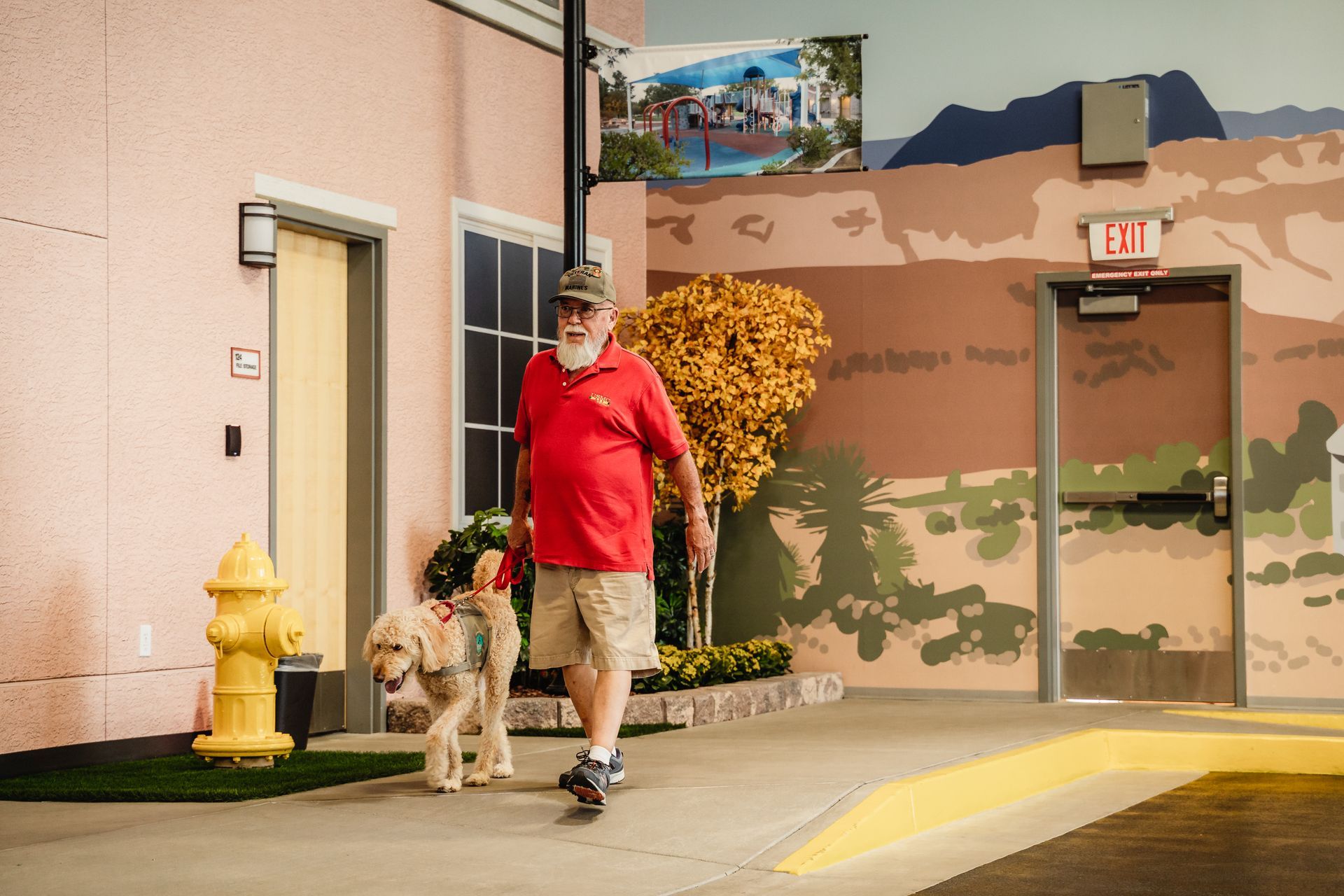
Bringing home a new puppy is exciting. It is also a narrow developmental window that will shape your dog’s behavior for years. If you are searching for puppy socialization classes in Las Vegas, timing matters more than most owners realize. The primary socialization window occurs between 6 and 15 weeks of age. During this period, puppies are neurologically primed to absorb new experiences. Positive exposure builds confidence. Negative or absent exposure increases the risk of fear-based behavior later in life. Socialization is not simply letting puppies play. It is structured exposure with intention and supervision. What Puppy Socialization Actually Means Puppy socialization is the process of safely introducing a young dog to new environments, sounds, people, surfaces, and other dogs in a controlled way. The goal is not overstimulation. The goal is positive, neutral, repeatable exposure. Research in canine behavioral development consistently shows that puppies who experience structured, positive socialization are less likely to develop fear-based aggression, chronic anxiety, or environmental sensitivity as adults. In a city like Las Vegas, exposure is particularly important. Dogs will encounter outdoor shopping centers, restaurant patios, crowds, traffic noise, and sudden changes in extreme weather. Early preparation builds resilience. Why Structured Puppy Socialization Classes Matter Unstructured playgroups can lead to bad habits if not properly supervised. Puppies may rehearse bullying behaviors, avoidance patterns, or over-arousal responses. Structured puppy socialization classes provide: Controlled introductions Professional supervision Immediate intervention when needed Balanced exposure to stimuli Reinforcement of calm behavior At Michael’s Angel Paws, the Puppy Socialization Classes in Las Vegas are intentionally designed to balance interaction with foundational skill building. Socialization without obedience often produces overly friendly but unfocused dogs. Obedience without socialization can produce technically trained but environmentally sensitive dogs. Balance is the objective. The Link Between Socialization and Obedience Well-socialized puppies are typically more receptive to training. Exposure builds confidence. Confidence reduces fear responses. Reduced fear increases learning capacity. When puppies are comfortable in new environments, they can focus on cues instead of scanning for threats. For that reason, early socialization pairs naturally with structured Foundation Obedience Dog Training in Las Vegas. Basic cues such as sit, down, name recognition, leash walking, and impulse control become easier to teach when a puppy is emotionally stable. This layered approach builds durable behavior rather than short-term compliance. Michael’s Angel Paws Saturday Puppy Program Michael’s Angel Paws offers a Saturday class designed to combine supervised socialization and early training. The format includes dedicated time for controlled puppy interaction followed by structured foundational exercises. This ensures that puppies are not simply playing but actively learning. Classes are led by experienced trainers trained in positive reinforcement and LIMA (Least Invasive, Minimally Aversive) principles. The emphasis is on shaping desirable behaviors early rather than correcting established problems later. Small class sizes allow for individualized attention. If a puppy displays early signs of fear, over arousal, or inappropriate play, trainers intervene immediately to guide healthier responses. This proactive supervision reduces the likelihood of long-term behavioral issues. LONG-TERM Impact of Early Socialization Properly socialized puppies are more likely to: Recover quickly from new stimuli Adapt to busy public environments Tolerate grooming and handling Respond reliably to cues under distraction Many puppies who complete early socialization transition smoothly into advanced pathways such as Advanced Obedience Classes in Las Vegas or even Therapy Dog Training Programs later in life. The earlier the structure begins, the more stable the long-term outcome.